
In the summer of 2023, Grace, Ginevra, and Ela traveled to Addis Ababa, Ethiopia to set up their first digital lab at a local public school and run a two-week summer camp for 40 students.
For Grace, Addis Ababa feels like a second home, and she was excited to experience the city through new eyes while sharing it with two close friends. For Ginevra and Ela, this was their first trip to Ethiopia—and their first time in Africa. Experiencing a new culture, language, and daily rhythm together made the trip especially meaningful and memorable for all three.
Setting Up the First Digital Lab
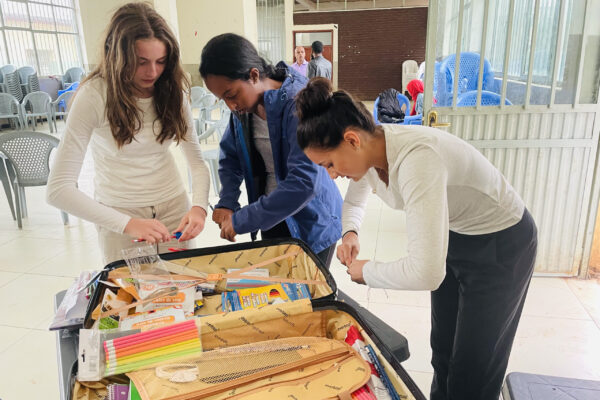
The girls arrived with suitcases full of supplies—learning materials, activity kits, and the equipment needed to set up the digital lab and run the summer camp.
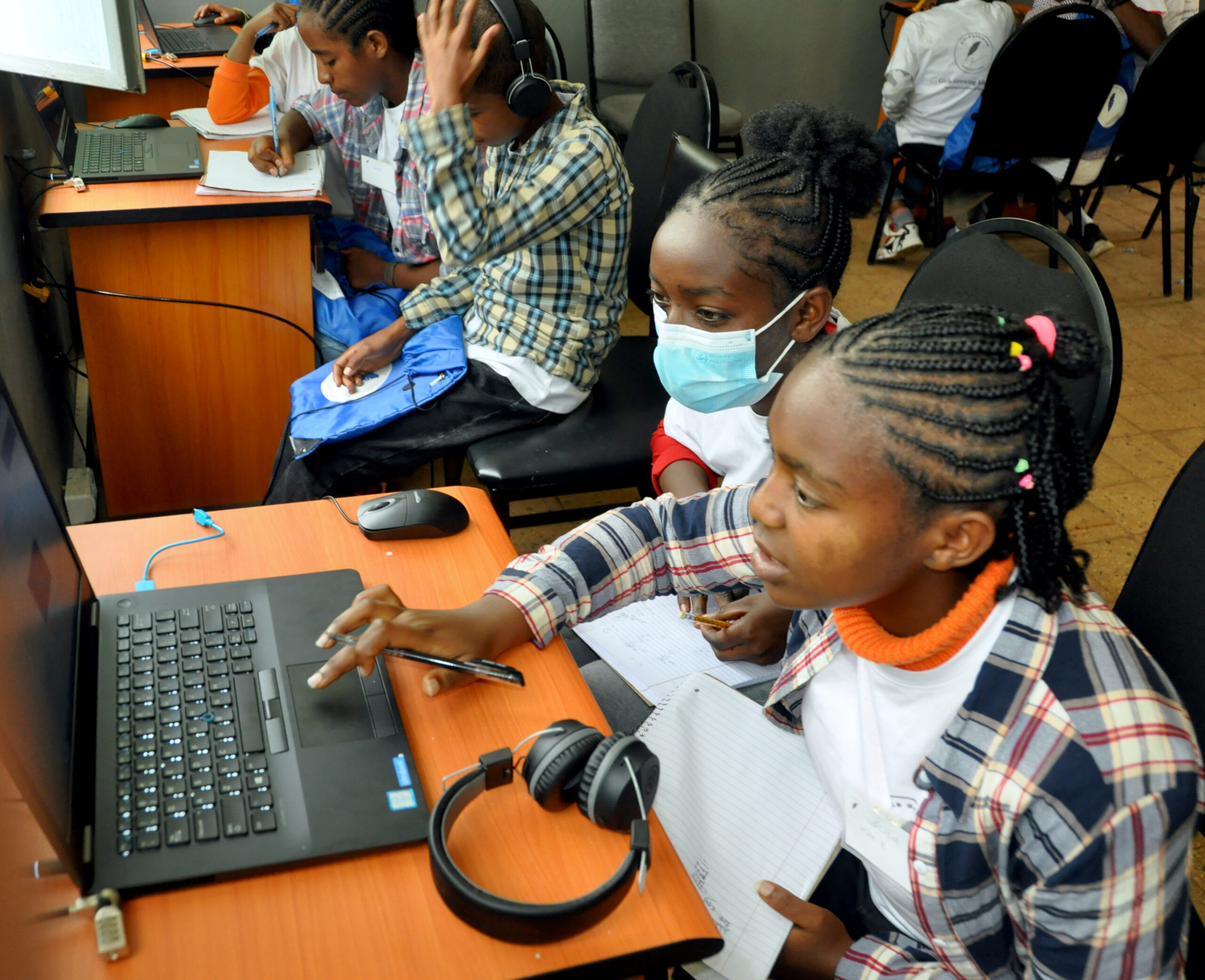
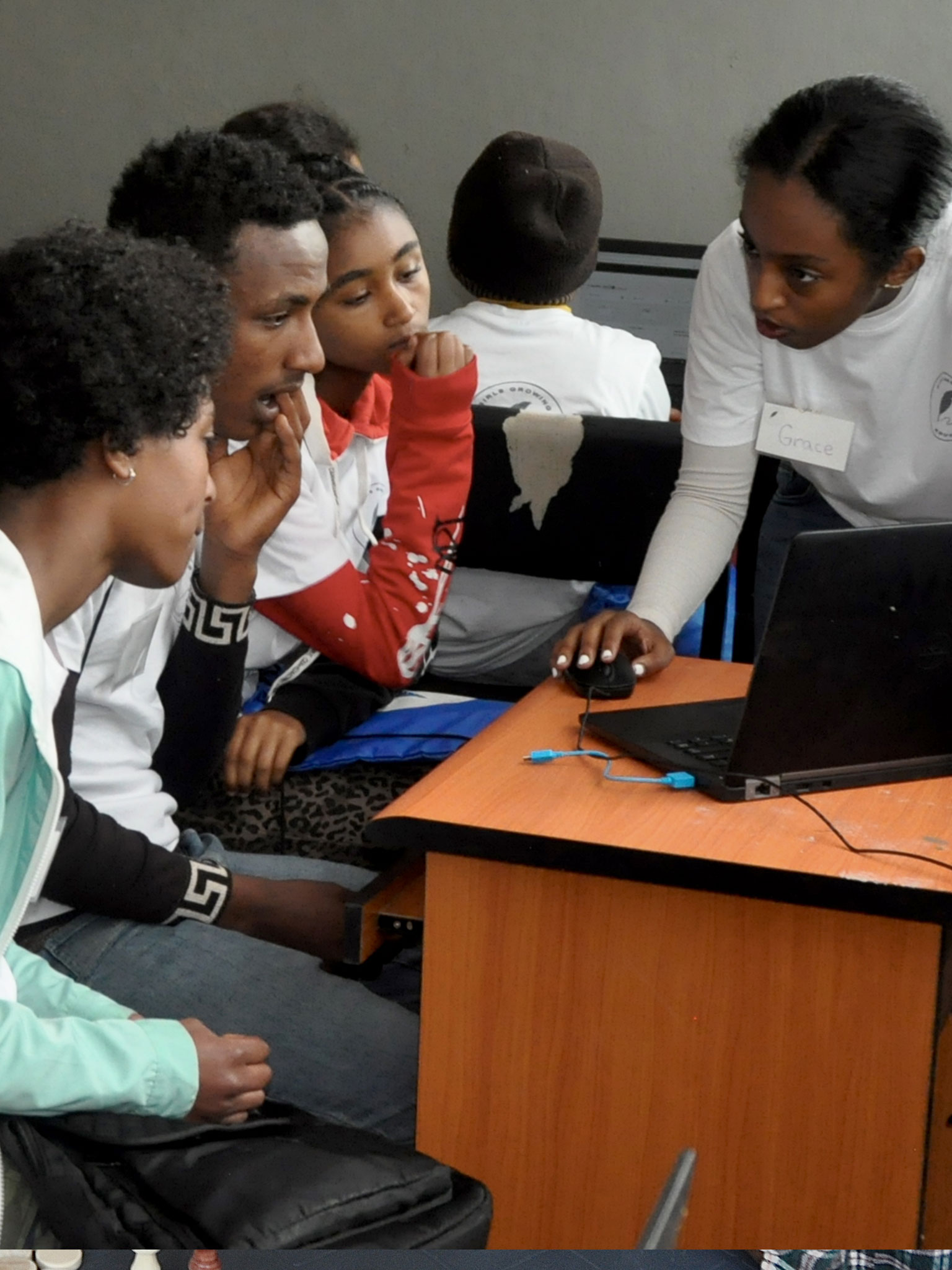
Each morning, students in Grades 5–8 practiced math through self-paced digital lessons. Most had never used structured digital learning tools before, yet they adapted quickly and eagerly.
One of the most surprising discoveries was that the English-based Khan Academy content did not become a barrier. Students engaged enthusiastically and made steady progress throughout the program.
Hands-On Activities — Learning Through Fun and Curiosity
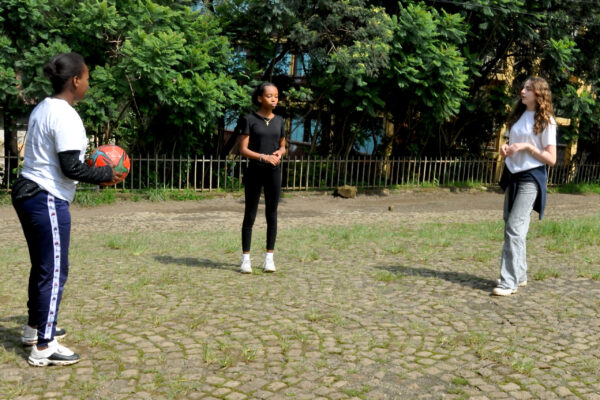
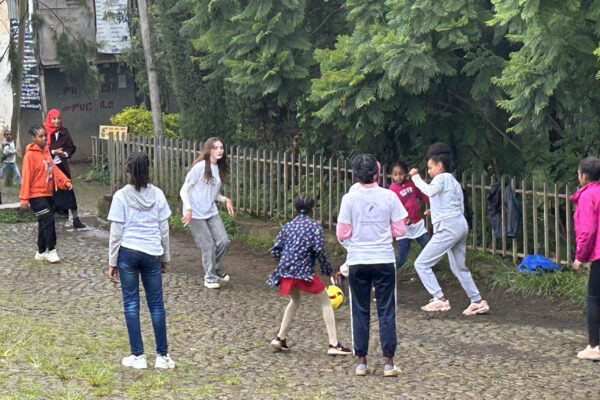
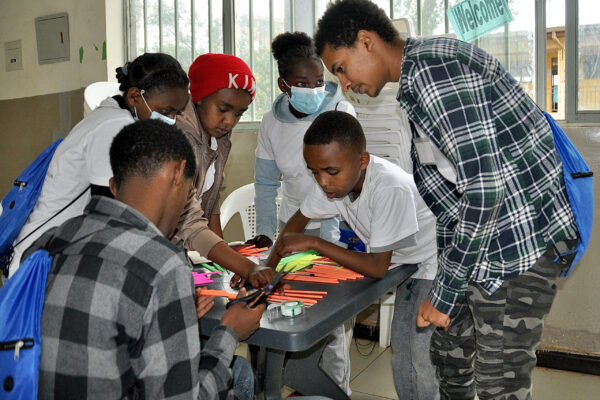
In addition to using the digital lab each morning, the students participated in a variety of fun, hands-on activities that brought creativity, teamwork, and exploration into the camp.
The activities included:
- Building bridges with straws and learning why simple shapes like triangles make structures strong
- A light, interactive discussion using the trolley story to introduce big ideas about choices and fairness
- Basic martial arts movements for fun, energy, and confidence
- Additional creative and team-building activities that encouraged students to try new things together
These activities were meant to be enjoyable and engaging—simple ways to spark curiosity, build friendships, and make the summer camp memorable.
Discovering Addis Ababa — Afternoon Excursions
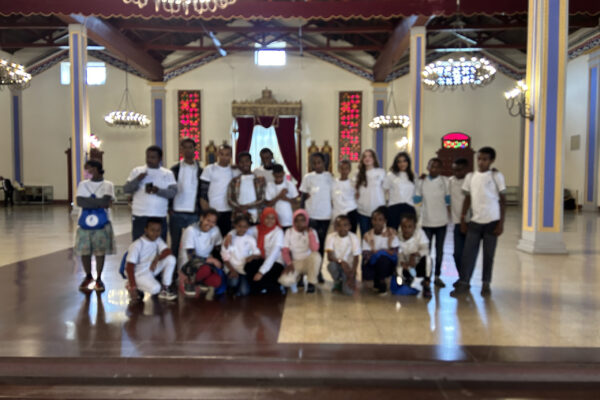
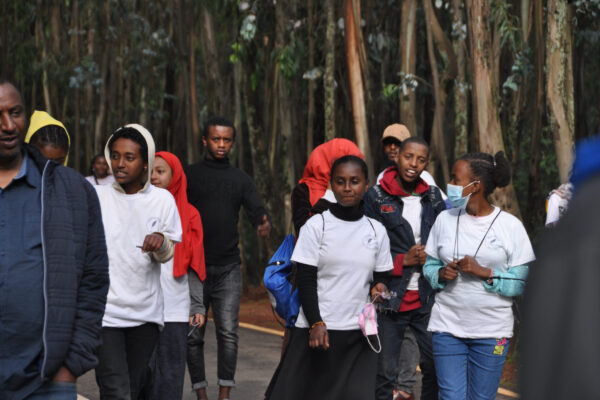
Each afternoon, the students and volunteers explored key landmarks of Addis Ababa including:
- Adwa Museum — A powerful retelling of Ethiopian history and resistance
- National Library — A symbol of learning and national heritage
- Entoto Park — Nature, fresh air, and time for reflection
Talent Show, Prizes, and Celebration
The camp was filled with joy, creativity, and community spirit.
- Talent Show: Students showcased music, dance, poetry, and comedy.
- Awards Ceremony: Winners received small prizes brought from the U.S.
- Closing Celebration: Everyone—students, teachers, volunteers—came together to dance to Ethiopian music, marking a joyful end to the program.
Lessons That Shaped Our Work Going Forward
Looking back after returning from Addis Ababa, this experience became the turning point that shaped how we approach our work today. Seeing students engage so deeply with offline Khan Academy made it clear that making high-quality learning available without internet access could help students tremendously.
Several key lessons stood out:
Student Capability and Motivation
Students quickly adapted to self-paced digital learning and showed strong interest and persistence when given the opportunity.
Language Was Not a Barrier
We initially worried that English-based lessons might limit learning. In practice, students navigated the platform with confidence and supported one another as they learned.
Untapped Computers in Schools
Many schools already have computer labs—even if:
- the computers are old,
- many are no longer functional, and
- the labs are rarely used
This realization strongly influenced our direction. By providing Chromebooks and installing an offline EdTech device, we saw that it is possible to activate these existing spaces and make digital learning available to many more students.
After this experience, we returned home determined to bring offline Khan Academy to as many schools and students as possible, using what we learned in Addis Ababa to guide our next steps.